

General
Biology
RNA Synthesis and Protein Synthesis
RNA (ribonucleic acid) is a single-stranded molecule that is similar to DNA, but it is made up of a different sugar (ribose) and a different base (uracilA nucleotide base not normally found in DNA (present in RNA), often resulting from the deamination of cytosine in ancient DNA. instead of thymine). RNA is involved in the synthesisCombining information from more than one text to show comparison. of proteins, and it is produced by the transcription of DNA.
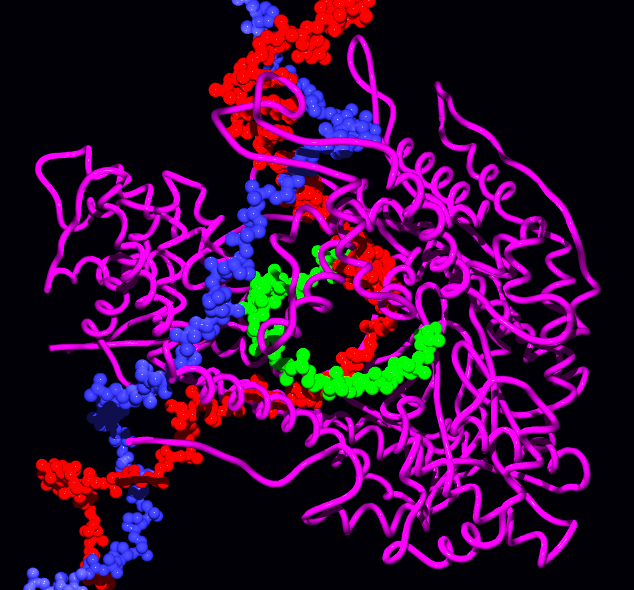
Transcription is the process by which the genetic information in DNA is copied into RNA. Transcription occurs in the nucleusA membrane-bound organelle in eukaryotic cells that contains DNA. of the cell, and it involves the synthesis of a complementary RNA strand using one of the strands of the DNA template. The RNA molecule produced in transcription is called messenger RNA (mRNA), and it carries the genetic information from the DNA to the ribosomes, which are the site of protein synthesis.
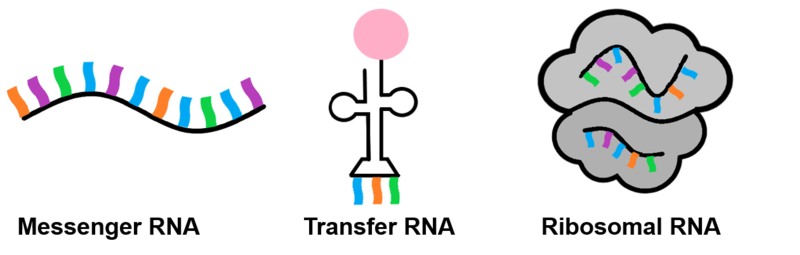
This file is licensed under the Creative Commons Attribution-Share Alike 4.0 International license.
Translation is the process by which the genetic information in RNA is used to synthesize proteins. Translation occurs at the ribosomes, and it involves the decoding of the genetic information in the mRNA into a sequence of amino acids, which are the building blocks of proteins. Translation is a two-step process: initiation and elongation.
In the initiation step, the ribosomeA small structure in cells where proteins are made. binds to the mRNA, and a small ribosomal RNA (rRNA) molecule called the initiator tRNA (transfer RNA) brings in the first amino acid of the protein. In the elongation step, the ribosome moves along the mRNA, adding one amino acid at a time to the growing protein chain. The sequence of amino acids in the protein is determined by the sequence of bases in the mRNA, and the genetic code is the set of rules that determine the relationship between the base sequence in the mRNA and the amino acid sequence in the protein.
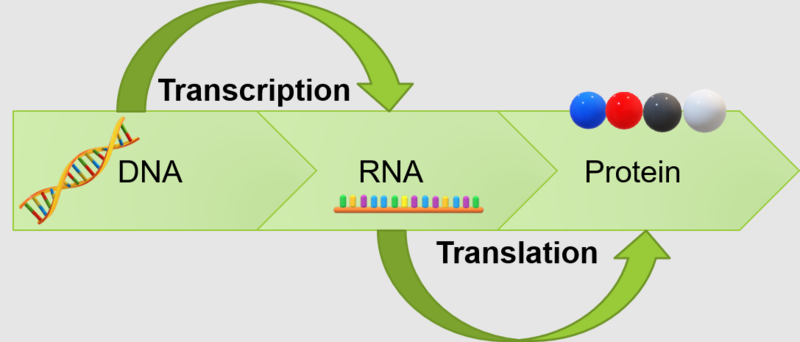
This file is licensed under the Creative Commons Attribution-Share Alike 4.0 International license.
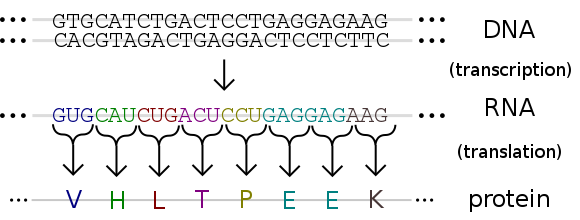
The genetic code is a universal code that is shared by all living organisms, and it consists of a series of codons, which are sequences of three bases in the mRNA. Each codon corresponds to a specific amino acid, and the sequence of codons in the mRNA determines the sequence of amino acids in the protein. The genetic code is redundant, which means that there are multiple codons for some amino acids, and this allows for some flexibility in the coding of the protein.
Continue the lesson
This section is available to learners with course access. Continue learning with Knowness to unlock the full explanation, examples, revision tools, and progress tracking.
The remaining lesson content includes further guided explanation, important learning points, and supporting interactive material designed to help you understand and revise this topic.
Unlock this topic to view the full activity, worked examples, common mistakes, and additional revision support.
More content available
Knowness lessons are structured to build understanding step by step. Create an account or upgrade your access to continue from this point.
This preview does not include the hidden lesson text, answers, explanations, or embedded interactions.
Continue learning with Knowness
Sign up to access the full lesson, predicted grades, revision tools, progress tracking, and more.
Create a free account