

General
Biology
Prokaryotic and Eukaryotic Cells
Cells are the basic unit of life, and they are the structural and functional unitQuantitative measure of the output of products or services which the system delivers. of all living organisms. There are two main types of cells: prokaryotic cells and eukaryotic cells.
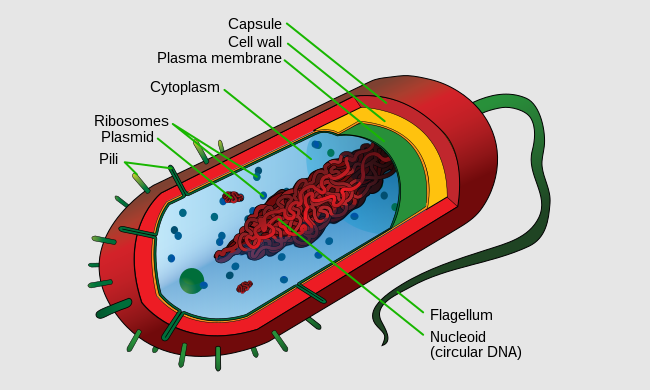
Prokaryotic cells are small, simple cells that are found in bacteriaA single-celled prokaryotic microorganism. and archaea. Prokaryotic cells do not have a nucleusA membrane-bound organelle in eukaryotic cells that contains DNA. or other membrane-bound organelles, and their genetic materialDNA that carries the instructions for cell structure and function. is found in a single, circular chromosomeA structure made of DNA that carries genetic information. that is located in the cytoplasmA jelly-like substance in cells where most chemical reactions occur.. Prokaryotic cells are adapted to a wide range of environments, and they can be found in many different types of habitats. Prokaryotic cells are small, simple cells that are adapted to a wide range of environments, and they can be found in many different types of habitats. They are characterized by their small size, simple structureThe organisation and order of information in a text., and rapid rate of reproduction.
Eukaryotic cells are larger and more complex than prokaryotic cells, and they are found in all other forms of life, including animals, plants, fungi, and protists. Eukaryotic cells have a true nucleus, which is separated from the cytoplasm by a nuclear envelope, and they also have other membrane-bound organelles. Eukaryotic cells are specialized for different functions, and they can be found in many different types of tissues and organs. Eukaryotic cells are characterized by their complex structure, which includes a variety of specialized organelles that are involved in different functions.
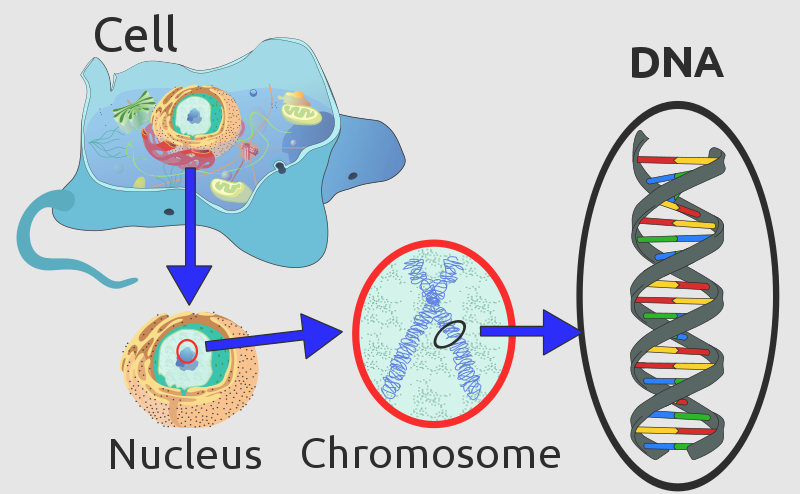
This file is licensed under the Creative Commons Attribution-Share Alike 3.0 Unported license.
Continue the lesson
This section is available to learners with course access. Continue learning with Knowness to unlock the full explanation, examples, revision tools, and progress tracking.
The remaining lesson content includes further guided explanation, important learning points, and supporting interactive material designed to help you understand and revise this topic.
Unlock this topic to view the full activity, worked examples, common mistakes, and additional revision support.
More content available
Knowness lessons are structured to build understanding step by step. Create an account or upgrade your access to continue from this point.
This preview does not include the hidden lesson text, answers, explanations, or embedded interactions.
Continue learning with Knowness
Sign up to access the full lesson, predicted grades, revision tools, progress tracking, and more.
Create a free account