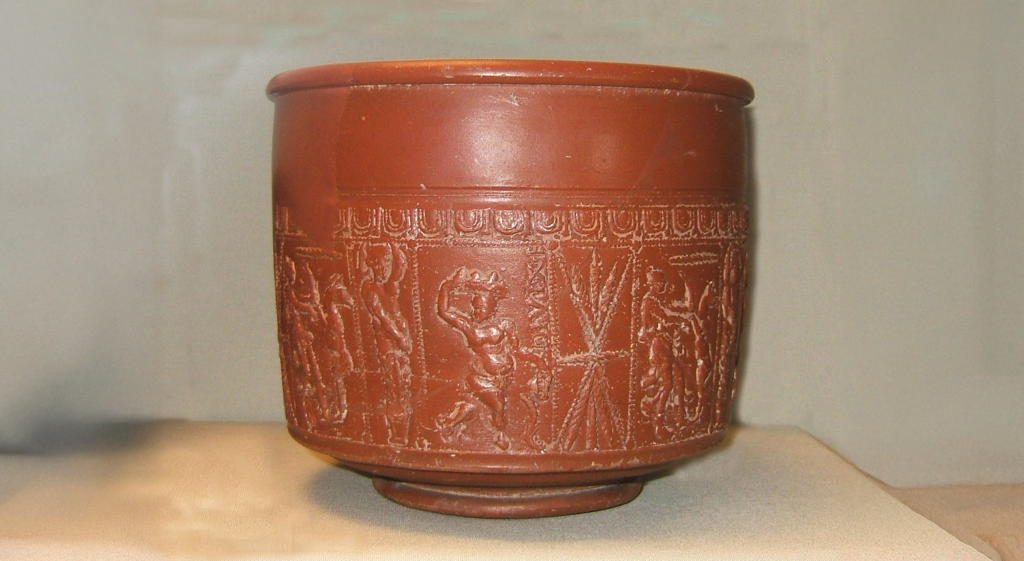
4.2 Typological and Morphological Dating
Typological and morphological datingA method that uses the physical characteristics of artefacts (shape, structure, design) to estimate their age. are extremely similar methods and make use of the physical finds from an archaeological site to provide an estimate of date. This is thanks to natural, technological, stylistic, and cultural differences that emerge in the past, often typical of certain periods of time.
How It Works
Morphology relates to the precise differences artefacts and ecofacts exhibit. These are minor changes that may reflect technology, style, or natural differences. Shared morphological differences can be used to construct typologies. Typologies are groups of stylistically, physically, morphologically similar artefacts that are indicative of certain types - and often time periods.
Typological datingA method that groups artefacts into types based on shared features and assigns dates based on known historical styles or production trends. is rooted in the specific form of these archaeological finds. It rests on the fact that as human societies change over time, so too do the objects and materials they utilised. Typological dating is a complex and particularly specialist method due to the sheer variation and possible permutation of archaeological objects. It works by considering the kind of finds present on a site, which are catalogued and assessed during and after excavation.
This method only works due to decades of excavation providing enormous typological databases for artefacts from different regions and time periods. Museum collections and archives provide much of the backbone for the method, and comparative collections allow direct assessment for similarities - allowing many finds to be associated with the same typological group and a general estimate of age possible.
This method is fairly foundational to archaeological dating, as we have excavated enough sites and enough unique artefacts that most finds from a site will be identifiable to at least a general level. The better preserved an artefact the better typological dating can function. A small 4cm x 2cm sherdA broken piece or fragment of pottery, often found during archaeological excavations. of rough pottery from an iron age site may indicate only that the pottery is consistent with other known iron age pottery. A full ceramic vessel with engravings, however, can be compared to others and may reflect stylist trends active for hundreds or even tens of years - potentially allowing the suggestion of some very narrow dating.