

2.3 Antiquarians and Treasure Hunters
This lesson will delve into the history of archaeology as a discipline in Britain, and its relationship with treasure hunters, thieves, and colonialists. The relationship is unpleasant, but necessary to understand how archaeology has become the field it is today. In order to understand how and why archaeology operates how it does, we need to be aware of the damage and complex legacy European and North American archaeology has left.
Grappling with the Past
The origins of archaeology itself lie within the excavations, investigations, and plundering carried out by the antiquariansWealthy individuals in the 19th and early 20th centuries who excavated historical sites, often prioritising personal collections and prestige over scientific accuracy or preservation. of the 19th and early 20th centuries. These figures were generally independently wealthy, landed individuals with a keen interest in the past and the funds to uncover it. Private and government backed excavations and expeditions were bankrolled or led by such figures who were motivated not only by an interest in the past, but also in fortune and glory.
The activities and excavations of such individuals can be considered a beginning of research digs - prospecting into places of interest with the goal of better understanding the history and use of the site. There are innumerable differences, however, between the best practice and scientific methods we employ today compared to antiquarian methods.
Foremost amongst these is the primary goal. Rather than interest in cataloguing and understanding, such excavations were often fascinations in, effectively, looting the treasures of the past. Scientifically, there was also the relative lack of stratigraphic recording in antiquarian excavations. Although the goal was ultimately to find remnants of the past, the exhaustive methods we use today to extract as much information as possible were not common. The result of this is that antiquarians could target large, complex, areas rich in information and finds, and excavate them swiftly - not slowed down by extensive recording processes. This speed could be compounded by antiquarian tendency to prioritise speed and volume over precision and understanding, often hiring huge teams of local labourers to work with little pay in gruelling and sometimes dangerous conditions for the sake of speed.
Prestige was a driving factor for the antiquarians, and tangible connections to a rare and distant past in the form of large personal collections were a mainstay in wealthy polite society as a way to show off and build fame. Different antiquarians often had different interests and specialisations. For example, the private collection of Howard Carter included items taken from the tomb of Tutankhamun - his role leading the excavationThe systematic process of uncovering archaeological remains through digging and recording. proving the perfect opportunity to take the ancient artefacts without the permission (or even knowledge) of the Egyptian government and people. Such activities were far from uncommon, and the excavations were often conducted without any consultation with the nation whose heritage was being uncovered. Or, just as often, were conducted in countries under colonial rule where local inhabitants had little or no say in the governance (and inevitable exploitation) of their country.
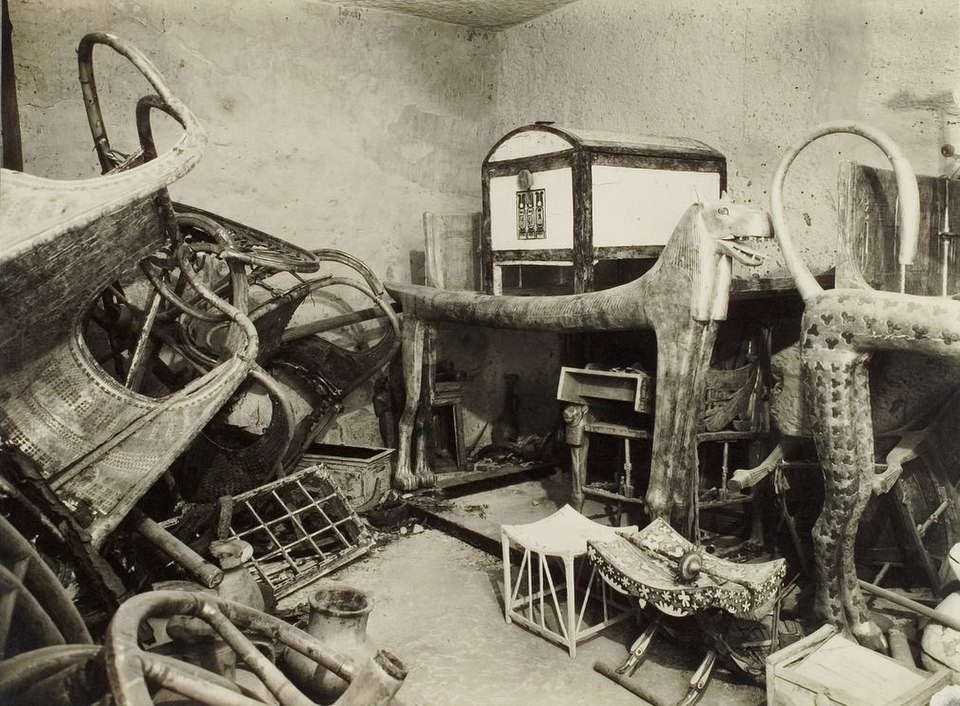
The way excavations were uncovered was equally poor and potentially dangerous, employing liberal use of destructive and imprecise methods such as using explosives, knocking through ancient structures, and deep excavations without structural supports. These approaches were notably focused on speed and volume - find as much as possible, as fast as possible, for as little money as possible. At the time this was an efficient and, admittedly, effective way to reveal stonework, structures, tombs, and finds - provided you don’t care what gets destroyed along the way.
Many of the early archaeological sites that were excavated in the late 19th and early 20th centuries are inaccessible to us now - the stratigraphic evidence obliterated and countless finds lost to private collections, dynamite, and poor conservation. Tragically, many antiquarians even understood the importance of good recording and excavation - Flinders Petrie noted with horror that the previous excavator at Faiyum in Egypt had burnt the majority of the wooden artefacts as firewood. Such treatment of less prestigious finds was not uncommon, with gold, ivory, silver, and artwork at the top of the artefactual pecking order.
Heinrich Schliemann is renowned for excavating an Anatolian city we now believe was Troy with such little care and precision that the vast majority of the information is lost forever. Even more systematically and scientifically minded antiquarians like Petrie were, however, still rooted in colonialist and often racist ideals. Petrie, for example, espoused the superiority of North Europeans and was responsible for thousands of Egyptian artefacts leaving the country (most of which have never returned). No matter how systematic, how well the local workers got paid, or how small a percentage of artefacts were destroyed in the process, these excavations were never anything better than plundering the heritage of another country.
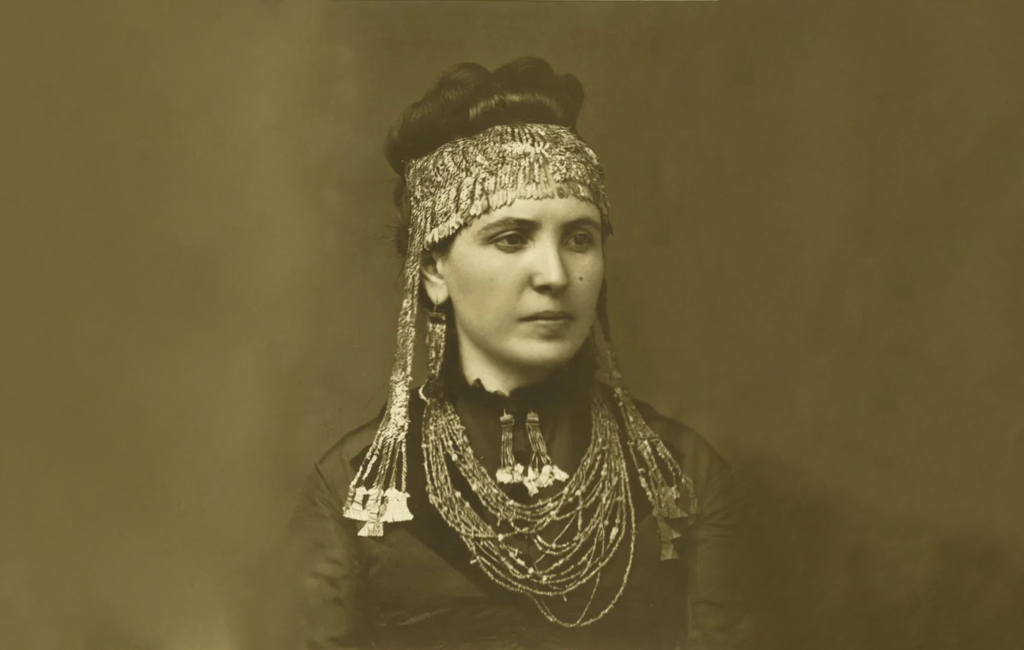
Antiquarians are (almost entirely) gone. There are few privately funded and personally driven excavations anymore and archaeological work is almost always driven by research or necessity to preserve the past. The echoes of antiquarian approaches remain, however, inextricably tied to empire. The enormous private collections that some individuals amassed have led to artefacts and history being stripped away from the countries that produced them. The Parthenon marbles taken from Greece while it was under Ottoman Turkish rule, the countless Egyptian mummies housed in European and North American museums (or eaten or turned into cosmetics), and indigenous Canadian totems they would still like to use to this day are all housed in British museums thanks to the funds of and claiming by antiquarians, subsequently coming under the control of the British state.
The large private collections served as the foundations of numerous museums and public institutions, with individuals bequeathing their collections to the country or institutions. Archaeology has developed from the practices and methods pioneered by antiquarians, but also sets itself apart by being inherently about protecting and understanding the past – rather than claiming it.