

University Taster
Archaeology – University Taster
2.1 Understanding the Past and Present
This lesson will outline the core aspects of archaeology, and the fundamentals of what the field involves and aims to do. This includes how we investigate the past and what these discoveries mean for us today.
What is Archaeology?
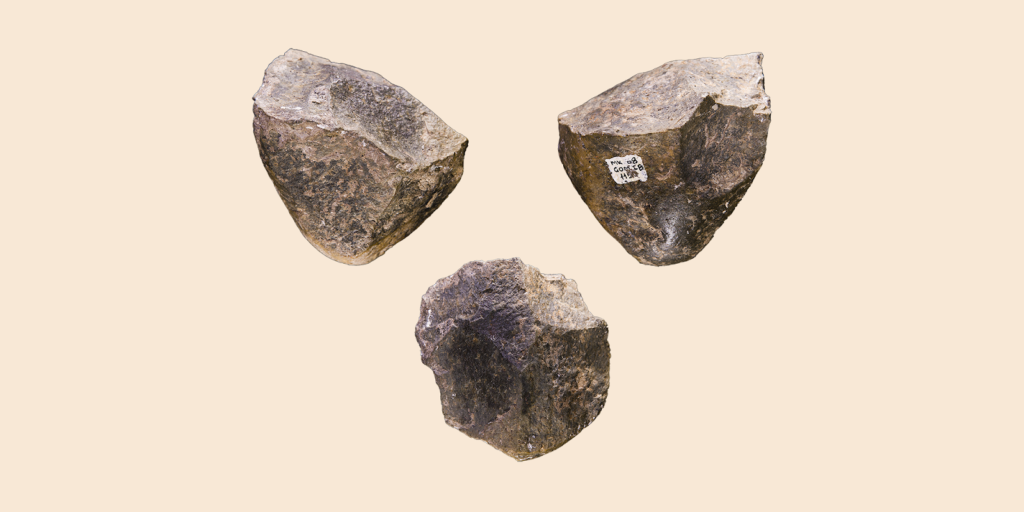
Archaeology is an extremely broad field, employing an array of techniques and methods for an enormous variety of purposes. At its core, however, archaeology is concerned with the study of the human past. This includes not only us, Homo sapiens, but also other hominins, our precursors and the close relatives that lived alongside them. This pushes back the archaeological timeline to at least as early as 3.3 million years ago - the earliest evidence of tool use we have (for now).
Example
Neanderthals make an excellent example of this, closely related hominins who could have children with Homo sapiens, inhabited Europe at the same time as them, and shared technological and cultural knowledge and practices (more on this later).
As a result, archaeological study encompasses both the enormity of how early societies, countries, and civilisations operated, and the minutiae of day to day life within them. Analysing ancient DNAGenetic material extracted from archaeological or historical remains, used to study the genetics of past populations and species., osteologyThe scientific study of bones, particularly human remains, used to learn about age, health, trauma, and lifestyle in past populations., material culture, contemporary texts, past environments, and architecture are examples of the myriad investigative methods we employ - and are still just the tip of the iceberg.
Continue the lesson
This section is available to learners with course access. Continue learning with Knowness to unlock the full explanation, examples, revision tools, and progress tracking.
The remaining lesson content includes further guided explanation, important learning points, and supporting interactive material designed to help you understand and revise this topic.
Unlock this topic to view the full activity, worked examples, common mistakes, and additional revision support.
More content available
Knowness lessons are structured to build understanding step by step. Create an account or upgrade your access to continue from this point.
This preview does not include the hidden lesson text, answers, explanations, or embedded interactions.
Continue learning with Knowness
Sign up to access the full lesson, predicted grades, revision tools, progress tracking, and more.
Create a free account