1.3 Careers in Archaeology
This lesson will describe the careers most directly linked to archaeologyThe study of the human past through material remains such as artefacts, buildings, and landscapes.. These careers are all closely involved with uncovering and preserving the past, and are the most common fields archaeologists will move into within that sector. These careers range from the direct excavation of the past, to its analysis, and its preservation and care.
Commercial Archaeology
Commercial, or developer led, archaeology is one of the largest sectors in Britain and worldwide. This kind of career grew out of what was once called rescue archaeology, with a focus on ensuring that construction, infrastructure, and other projects that might destroy evidence of the past first undergo thorough archaeological excavation and recording. The goal of commercial archaeology is to preserve and protect the past, rarely with a specific research question or line of investigation in mind before a project begins. This is because the survey and understanding of the sites usually occur only because of the risk to them from construction activity.
The process begins by investigating the likelihood of the endangered area containing an archaeological site. The way this is determined is covered in Module 3. Archaeological Fieldwork, however it effectively involves scanning and testing the site to see if archaeological structures, earthworksHuman-made modifications to the landscape, such as ditches, banks, and mounds, often significant in archaeological studies., and finds can be identified.
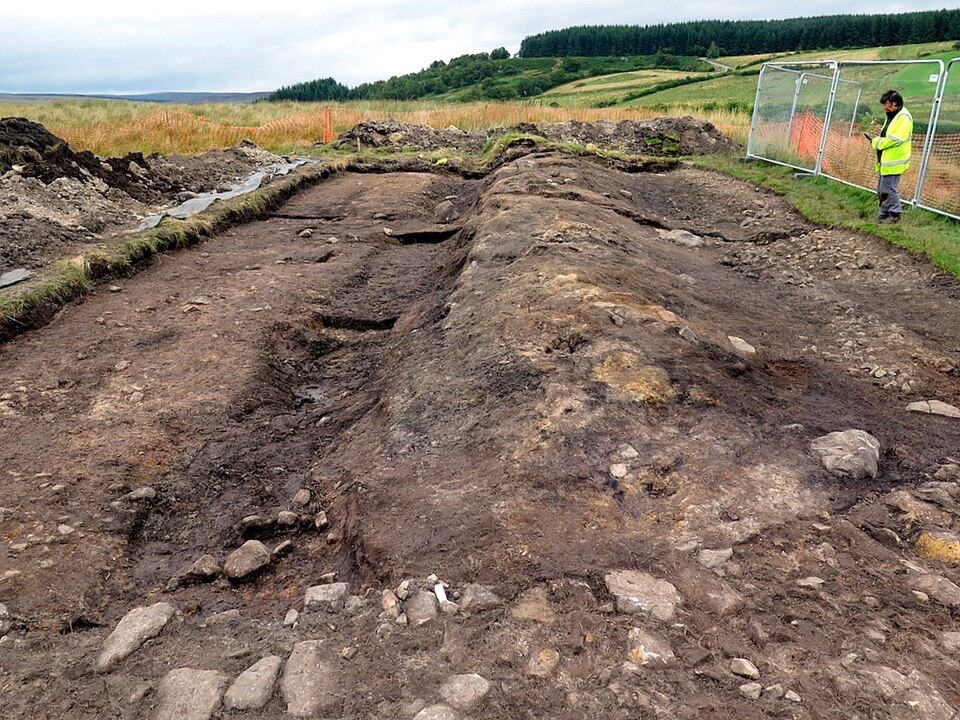
Once an archaeological site is found, a strategy is made to excavate and understand the site as fully as possible, while also minimising the time taken. This is to ensure that construction can occur on schedule, while also preserving the archaeological heritage and uncovering as much as possible. In some instances, when a site is particularly interesting or important, an excavation can continue for a much longer time however - sometimes months.
As an early career commercial archaeologist you are likely to be in the field a lot, conducting surveys and excavating sites. It is a physically active and demanding job that can include a lot of early mornings, time outside, and mud. It is also extremely interesting and rewarding, placing you at the forefront of archaeological investigation and giving you a job where, almost every day, you will be the first person in hundreds or thousands of years to see archaeological finds, structures, and earthworks.