

University Taster
Geography – University Taster
4.4 How Supercomputers and Artificial Intelligence Are Taking Over Disaster Prediction
Supercomputers and artificial intelligence (AI) are transforming the field of disaster prediction by enabling the analysis of vast datasets and simulating complex scenarios with unprecedented precision. These technologies are crucial for forecasting disasters, preparing mitigation strategies, and reducing vulnerability to natural hazards. This module explores the role of supercomputers and AI in disaster prediction, their applications, challenges, and future potential.
What Are Supercomputers?
Supercomputers are high-performance computing systems designed to process and analyse massive amounts of data at incredible speeds. Unlike general-purpose computers, supercomputers perform trillions of calculations per second, making them indispensable for solving complex scientific and engineering problems.
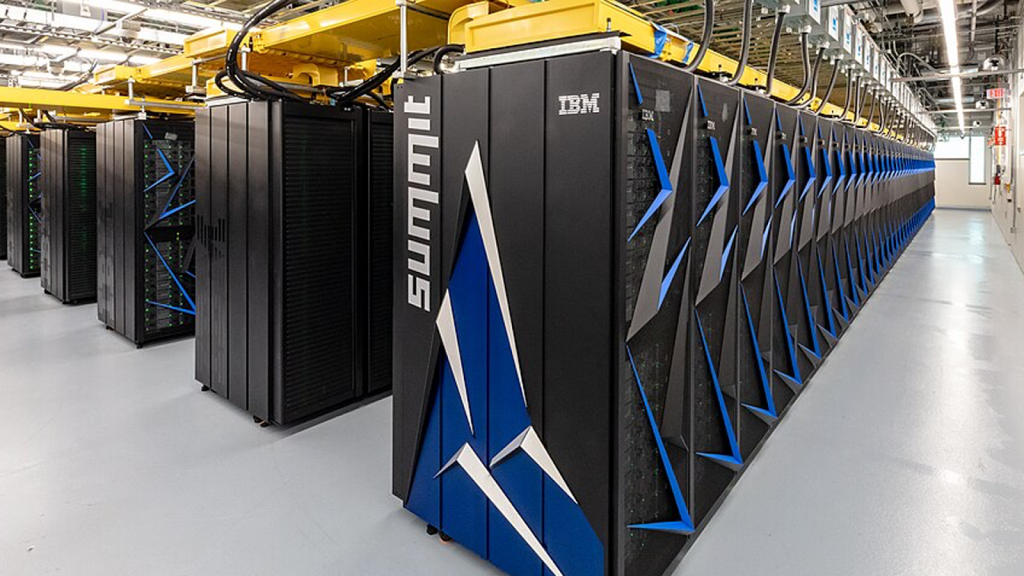
Example
Examples of supercomputers include:
- Summit (USA)
- Fugaku (Japan)
- Piz Daint (Europe)
Supercomputers are effectively many central processing units (CPU’s) acting one programme in parallel with each other. For example, for flood prediction, supercomputers can use vast amounts of datasets, such as precipitationWhere a solid forms from a liquid solution, often by the addition of another substance., soil permeability, soil moisture capacity, etc., to create many simulations on potential river runoff volume, and then make predictions on flood intensity and duration.Note
Continue the lesson
This section is available to learners with course access. Continue learning with Knowness to unlock the full explanation, examples, revision tools, and progress tracking.
The remaining lesson content includes further guided explanation, important learning points, and supporting interactive material designed to help you understand and revise this topic.
Unlock this topic to view the full activity, worked examples, common mistakes, and additional revision support.
More content available
Knowness lessons are structured to build understanding step by step. Create an account or upgrade your access to continue from this point.
This preview does not include the hidden lesson text, answers, explanations, or embedded interactions.
Continue learning with Knowness
Sign up to access the full lesson, predicted grades, revision tools, progress tracking, and more.
Create a free account