

4.4 A.J. Ayer and Boo-Hurrah Ethics
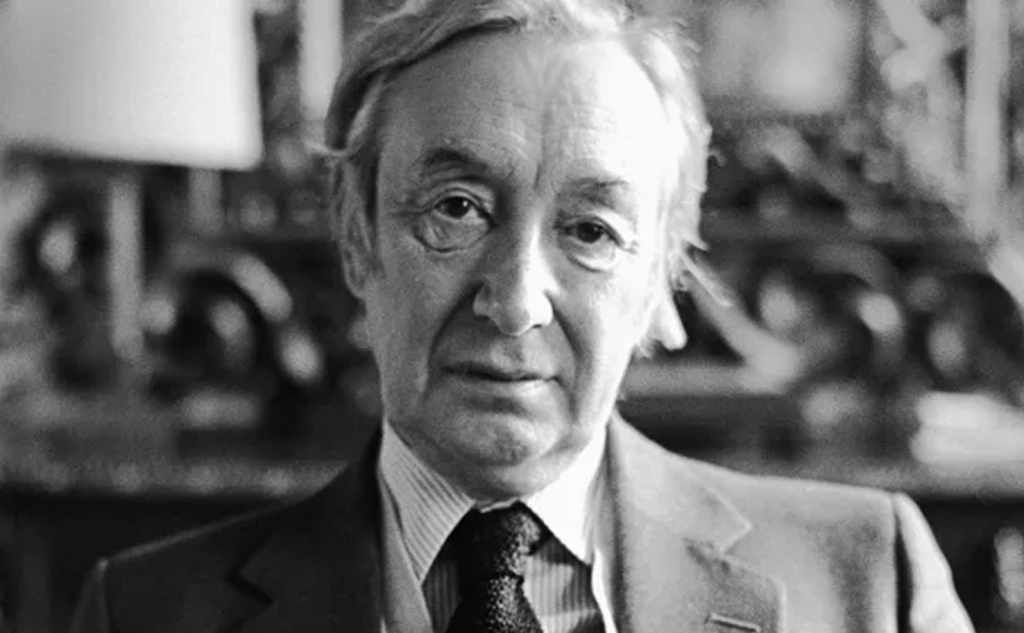
Sir Alfred Jules Ayer (1910–1989) was an English philosopher and the creator of an ethical theory known as Boo-Hurrah EthicsA meta-ethical theory that focused on the function of moral statements., which was later added to by Charles L. Stevenson (1908–1979). The theory gained a following in the early-to-mid 20th century.
What Is Boo-Hurrah Ethics?
Boo-Hurrah EthicsIn Philosophy, the theory and study of morality and how we should behave. is known as a “meta-ethical theory” as it asks questions about what Ethics is, rather than which actions are right or wrong. The theory of Boo-Hurrah Ethics is also known as EmotivismA theory that argues ethical statements are expressions of emotion. (based on the word “emotion”), and the theory challenged traditional views about the notions of right and wrong.
Boo-Hurrah Ethics argues that moral statements such as “lying is wrong” do not describe actual facts in the world. Instead, they just show an individual’s emotions or attitudes towards something. So, saying “murder is wrong” is the same as saying “Boo to murder!”, and saying “love is good” is basically saying “Hurrah to love!” This is where the name “Boo-Hurrah Ethics” came from.
According to this theory, moral language such as “good or bad”, “right or wrong”, does not describe actual truths in the real world. It just reflects people’s personal feelings or attitudes towards something.