

3.1 What Is Epistemology?
EpistemologyThe theory and study of knowledge. is one of the main branches of PhilosophyThe study of fundamental questions about existence, knowledge, and ethics., and it explores knowledge and belief. It considers what it means to believe something and to know something. The word “epistemology” comes from the Greek words episteme (knowledge) and logos (study), so it is also known as the “theory of knowledge”.
Which Philosophers Started Epistemology?
In the Western world, the study of knowledge began in Ancient Greece again. Philosophers such as Socrates and Plato first started debating the subjectThe person, place, thing, or idea the clause is about; performs or experiences the verb., and it has been a popular topic since then. Even today, modern Philosophers continue to ask questions about the nature of knowledge.
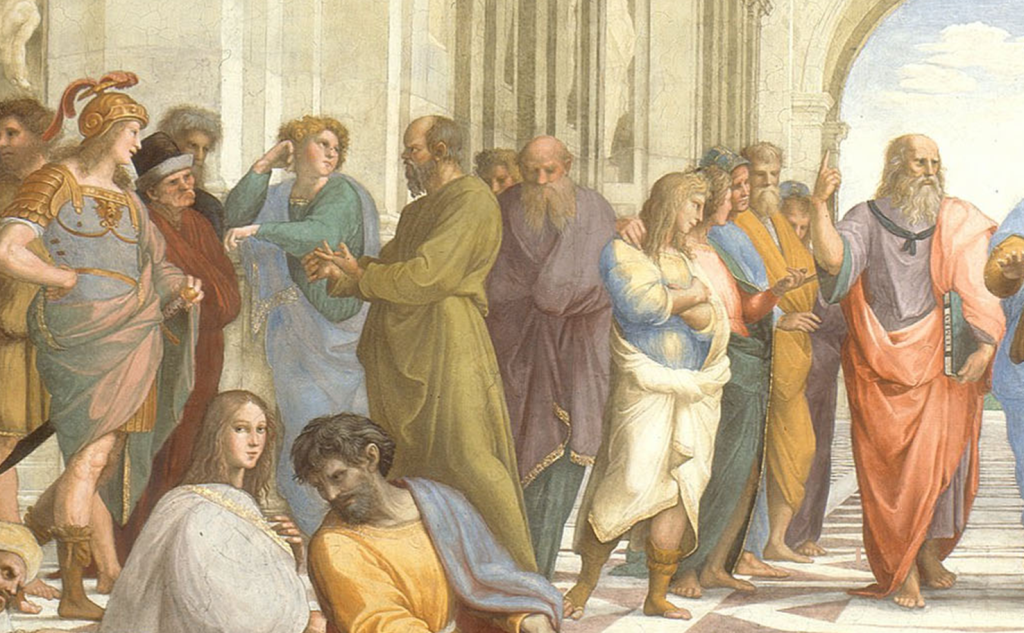
Beginning with the Ancient Greeks, the field of Epistemology has asked questions such as:
- What is knowledge?
- What does it mean to “know” something?
- How do we gain knowledge?
- Is “believing” the same as “knowing”?
It also asks deeper questions such as:
- Are our beliefs based on evidence or assumptions?
- Can we trust our senses to give us correct information?
- How can we be sure that what we “know” is true?
- Can we truly know anything?
- What can we know or not know?
It is worth noting that Epistemology is mostly concerned with “propositional knowledge”, which means a statement that presents a fact, such as “Cats are animals”. It is less interested in “procedural knowledge”, which means “know-how” or knowing how to do something, for example, how to ride a bike.Note