

3.3 John Locke and the Blank Slate
Not everyone agreed with Descartes, and English philosopher John Locke (1632–1704) challenged Descartes’ theories. Locke played a major role in shaping modern PhilosophyThe study of fundamental questions about existence, knowledge, and ethics.. He is one of the key thinkers in the school of thought known as empiricismThe idea that knowledge comes from experience., which is the theory that knowledge comes from experience. Locke’s groundbreaking ideas challenged older theories about knowledge, like those of Descartes.
The Tabula Rasa
As an empiricist, Locke disagreed with the rationalists’ idea that humans are born with innate knowledge or ideas. Instead, Locke argued that when we are born, our minds are like a tabula rasaA blank slate., which is Latin for “blank slate”, with nothing written on it.
This argument states that our minds are empty when we are born and all of our knowledge comes from experience. The mind starts completely blank and gains knowledge as it interacts with the world.
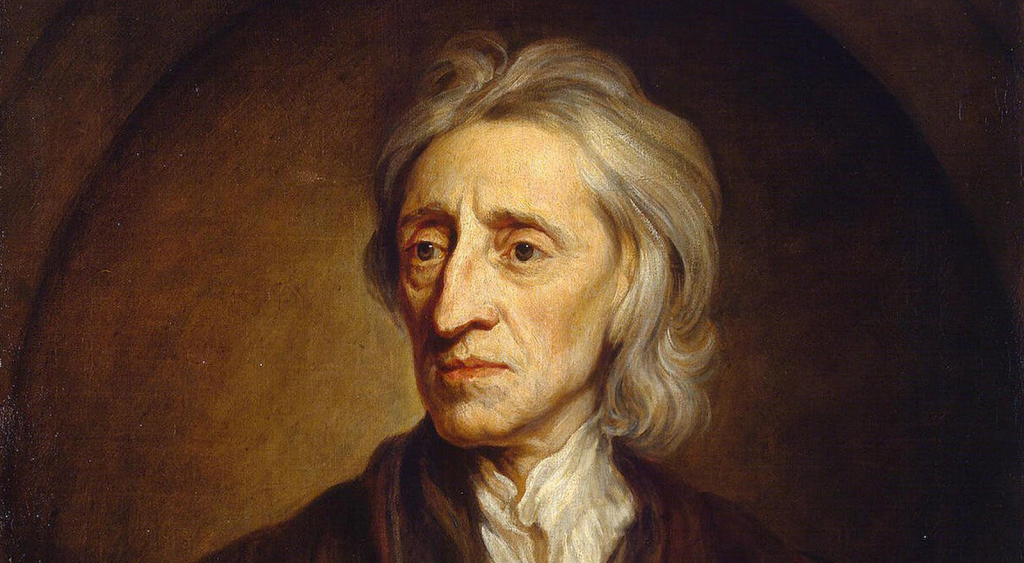
Locke argued that we build knowledge step by step, first through experiences and then through reasoning.
- Sensations: These are the first entries on the blank slate. For example, we might see the colour blue or hear a musical note. This is raw information that we receive from our senses, such as sight and sound. Our sensory experiences provide raw data from the external world.
- Reflections: These are the second entries on the blank slate. Once we have a sensory experience, our mind processes it. Reflections involve thinking about the sensations, comparing them to other sensations we have had before, and making judgments on them. In this way, our mind processes, analyses, and organises the sensory information that it receives to give us “knowledge”.
So Locke believed that sensations give us content to work from, and reflections give us understanding. Together, these two processes shape how we build complex ideas such as justice or beauty.