

4.2 Aristotle and Virtue Ethics
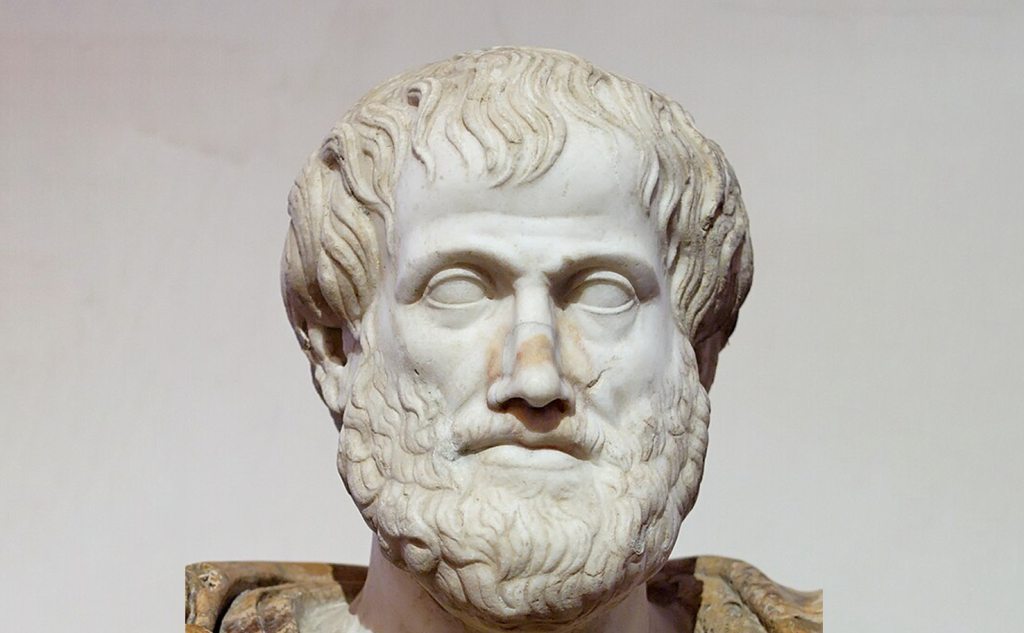
Aristotle (384–322 BCE) was one of the great philosophers of Ancient Greece and became known as a key figure in the field of EthicsIn Philosophy, the theory and study of morality and how we should behave.. In particular, he introduced an idea called Virtue EthicsAn ethical theory focused on the development of a virtuous character., which argues that the right thing to do is to become a virtuous (or good) person.
What Is Virtue Ethics?
Virtue Ethics is a theory that emphasises the importance of a person’s overall character rather than the specific actions they take. It focuses on the kind of person we should try to become, rather than what actions we should take. This means it is considered a “person-centred” approach.
According to Virtue Ethics, living “a good life” is not about following strict rules of behaviour or focusing on the consequences of our actions. Instead, it is about developing “virtues”, which mean positive character traits such as courage, honesty, and generosity.
Aristotle argued that we live a good life by developing virtuous habits such as honesty, and these habits allow us to make good decisions in the future. By intentionally developing good moral habits, we shape our character, and eventually doing the right thing becomes second nature to us so we do not have to think about doing it.
It is worth noting that modern studies in human behaviour and psychology support Aristotle’s centuries-old argument that acting like a good person helps us to become a good person over time.