

General
Chemistry
-
1. Introduction to Physical Sciences
-
Introduction to Chemistry
-
History of Chemistry
-
Fundamentals of Chemistry
-
Atomic Structure
-
Stoichiometry
-
Thermochemistry
-
Gas Laws
-
Quantum Mechanics and the Electronic Structure of Atoms
-
Periodic Trends
-
Bonding
-
Solutions
-
Acids and Bases
-
Redox Reactions
-
Organic Chemistry
-
Biochemistry
-
Future of Chemistry
-
Careers in Chemistry
Legacy Course
Molecular Geometry and VSEPR Theory
The molecular geometry of a molecule is the arrangement of the atoms in the molecule, and it is determined by the number of bonds and lone pairs of electrons on the central atom. The molecular geometry is important for understanding the physical and chemical properties of the molecule, and it is determined using the VSEPR (valence shell electron pair repulsion) theory.
The VSEPR theory is a model that is used to predict the molecular geometry of a molecule based on the arrangement of the bonding and nonbonding electrons around the central atom. The VSEPR theory is based on the idea that the electron pairs around the central atom will repel each other, and they will adopt a geometry that minimizes this repulsion.
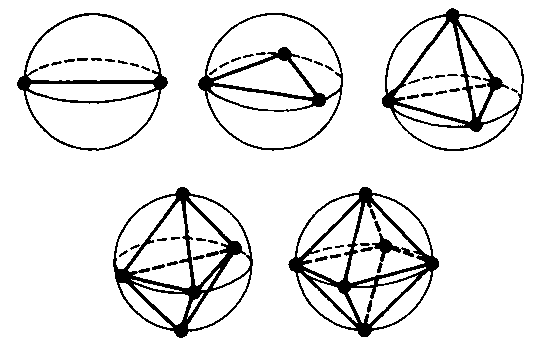
This file is licensed under the Creative Commons Attribution-Share Alike 4.0 International license.
The VSEPR theory can be used to predict the molecular geometry of a molecule by considering the number of bonding and nonbonding electrons on the central atom, and it is a useful tool for understanding the physical and chemical properties of molecules. The VSEPR theory can be used to predict the shapes of simple molecules, such as methane (CH4) and water (H2O), as well as more complex molecules, such as DNA and proteins.
Continue the lesson
This section is available to learners with course access. Continue learning with Knowness to unlock the full explanation, examples, revision tools, and progress tracking.
The remaining lesson content includes further guided explanation, important learning points, and supporting interactive material designed to help you understand and revise this topic.
Unlock this topic to view the full activity, worked examples, common mistakes, and additional revision support.
More content available
Knowness lessons are structured to build understanding step by step. Create an account or upgrade your access to continue from this point.
This preview does not include the hidden lesson text, answers, explanations, or embedded interactions.
Continue learning with Knowness
Sign up to access the full lesson, predicted grades, revision tools, progress tracking, and more.
Create a free account