

3.2 The Rule of Law
Module Progress
0 / 10 Lessons
0%
Learning
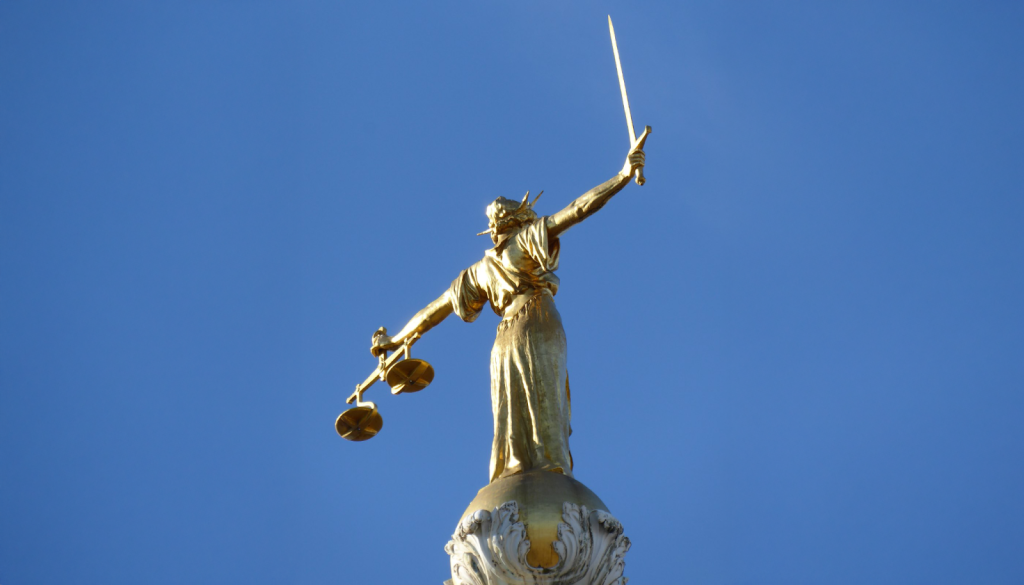
The rule of law is a basic idea that supports democracy and the legal system in the UK. It means that everyone, even the governmentThe public authority that provides services, collects taxes, sets laws and regulations, and helps manage the economy., must follow the Law. Laws should be applied in the same way to everyone, ensuring fair treatment, and that they are applied in a way people can rely on.
Definition of the Rule of Law
The rule of law includes several key principles, the most notable of which are listed in the table below.
| Rules | Description |
|---|---|
| Equality Before the Law | Everyone must follow the same rules, no matter who they are. This includes government leaders, public officials, and people in powerful positions. No one is given special treatment or allowed to ignore the law. This principle is important because it ensures fairness. Whether someone is rich or poor, powerful or obscure, they are judged by the same laws. If a public official or government leader breaks the law, they can face the same consequences as anyone else. By making sure everyone is equal before the law, society becomes fairer, and public trust is fostered in the legal system. |
| Supremacy of the Law | The law is the most important rule that everyone must follow. It controls how people, businesses, and even the government behave in all areas of life. This idea is crucial because it makes sure that no one, not even the most powerful leaders, can ignore or go against the law. It applies equally to everyone. For example, the law decides how people solve problems, how criminals are punished, and how the government must act fairly.The supremacy of the law and its universal application creates order, fairness, and justice, making sure society works properly and everyone is treated the same. |
| Accountability | Everyone, including the government and all individuals, must follow the law and take responsibility for their actions. This applies to leaders, public officials, businesses, and everyone in society, no matter how powerful or important they are. For example, if a government official breaks the law or acts unfairly, they can be challenged and held responsible through legal action or in court. Similarly, individuals must obey the law and face consequences if they break it. This ensures that no one can avoid responsibility for their actions, whether they are making decisions for the country or in their everyday lives. |
| Access to Justice | Everyone should be able to use the legal system when they need help or want to protect their rights. Irrespective of wealth, connections, or power, justice should be available to everyone. This idea is important because it makes sure people can solve problems fairly, whether it’s going to court, fixing disagreements, or getting help if they’ve been treated unfairly. The legal system should be simple to understand and should treat everyone equally. By giving people a way to defend themselves or seek help, it creates a fair and balanced society. |
| Fair and Public Hearings | When people have legal problems, these problems should be solved in a way that is open and honest. This means courts must follow clear and fair rules, and nobody should be treated better or worse than anyone else. It’s also important that these hearings are public, so people can see what happens and understand the decisions being made. For example, if someone is accused of breaking the law, they must be allowed to share their side of the story, and the court must listen carefully to all sides before making a decision. This openness helps everyone trust the process and feel that justice is done fairly. |