

University Taster
Biology – University Taster
3.2 If It’s That Bad, Why Aren’t We Doing Anything About It?
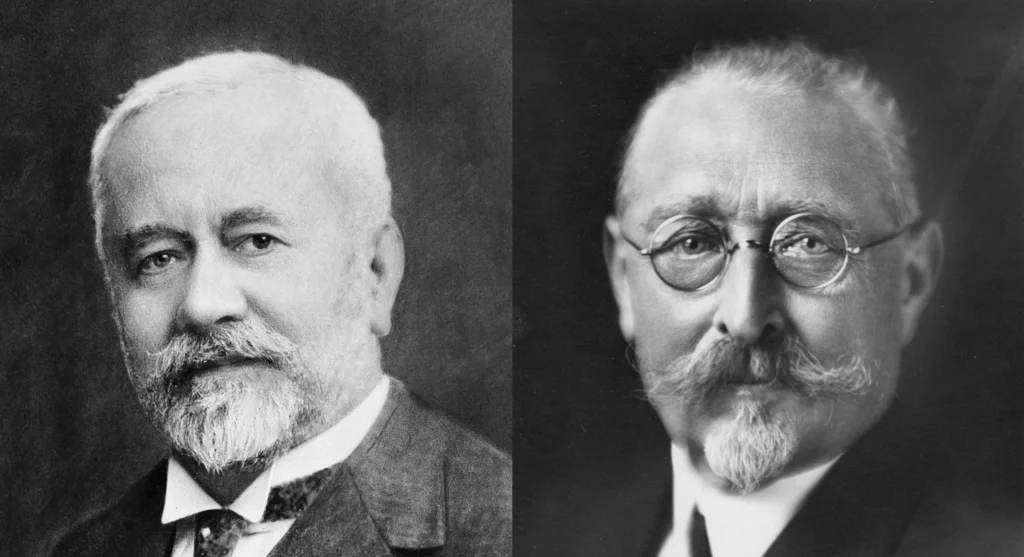
There is a TB vaccine out there; known as the BCG vaccine, it was named after its developers Albert Calmette and Camille Guérin. It was first used in humans in 1921, making it over 100 years old. The BCG vaccine is derived from a strain of Mycobacterium bovis, a close relative strain of Mycobacterium tuberculosis, the bacteriumA single-celled prokaryotic microorganism. that causes TB. It remains one of the oldest vaccines still in use today.
However, the issue is that Mycobacterium tuberculosis has continuously evolved over the last century, whereas the vaccine has not. Therefore, it cannot counter the varying multi drug resistant isolates of this pathogen. The reason why there is no incentive to invest into novel research regarding an MDR-TB dedicated vaccine is because there is no financial incentive to do so.
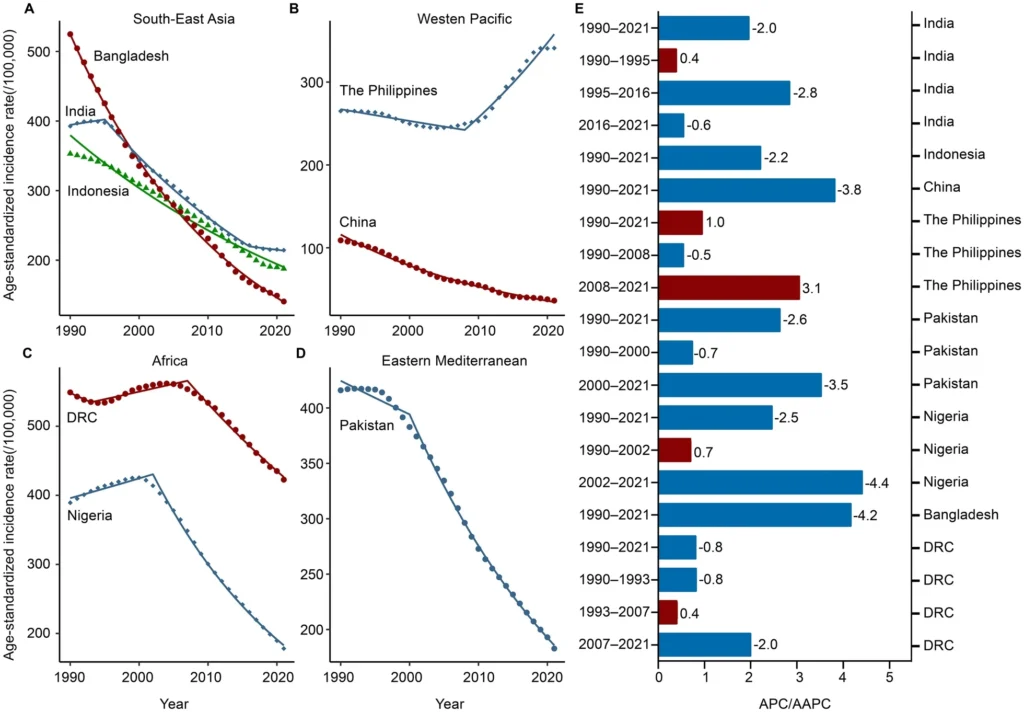
Tuberculosis is primarily a public health concern in developing nations (e.g. India, Indonesia, Pakistan & South Africa). Countries with stronger GDPs per capita do not struggle with MDR-TB cases and TB is not a primary public health concern there. Hence, investing in a vaccine that would not present a profitable incentive will not be at the top of the agenda of large pharmaceutical corporations.
Continue the lesson
This section is available to learners with course access. Continue learning with Knowness to unlock the full explanation, examples, revision tools, and progress tracking.
The remaining lesson content includes further guided explanation, important learning points, and supporting interactive material designed to help you understand and revise this topic.
Unlock this topic to view the full activity, worked examples, common mistakes, and additional revision support.
More content available
Knowness lessons are structured to build understanding step by step. Create an account or upgrade your access to continue from this point.
This preview does not include the hidden lesson text, answers, explanations, or embedded interactions.
Continue learning with Knowness
Sign up to access the full lesson, predicted grades, revision tools, progress tracking, and more.
Create a free account