

1.1.2 Risk and Reward
In this lesson, you’ll learn how riskThe chance that a decision could lead to loss, failure, or negative consequences. and rewardThe benefits gained from taking risks in business, such as profit, success, or independence. work together in business. Every entrepreneurAn individual who organises resources, makes business decisions, and takes risks to start and run a business. faces risks, but those who take smart, calculated risks can also gain big rewards. You’ll see how both can affect a business’s success and why understanding this balance is so important.
The Impact of Risk and Reward on Business Activity
Every business involves both risk and the possibility of reward. Entrepreneurs make decisions without knowing for certain what the outcome will be. They invest time, money, and effort into ideas that may succeed, but could also fail.
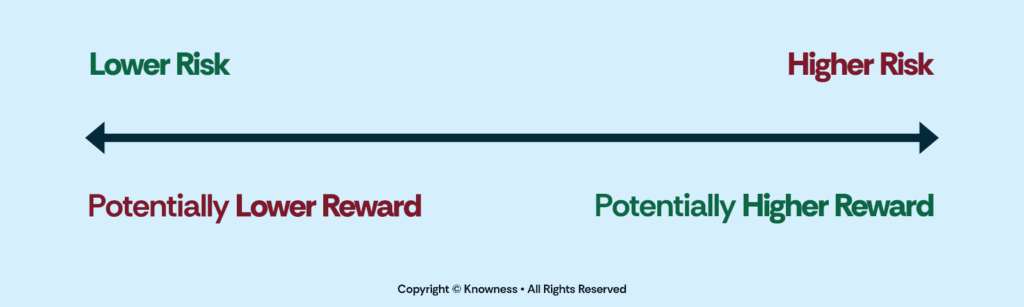
Entrepreneurs are willing to take risks because they believe the possible rewards outweigh the possible losses. The greater the potential reward, the more risk they may be prepared to accept.
Risk
Risk means the chance that a decision could lead to loss, failure, or negative consequences. Starting and running a business is risky because there is no guarantee of success. Entrepreneurs must make decisions in uncertain conditions, such as unpredictable customer demand or strong competition.
| Type | Explanation |
|---|---|
| Business Failure | Starting a business means entering unknown territory, where success is never guaranteed. There is always a possibility that a business may fail due to various factors such as market conditions, competition, or operational issues. |
| Financial LossWhen a business’s costs are greater than its revenue, resulting in a loss of money. | Starting and running a business can often require significant financial investments. There is a risk of incurring financial losses, particularly during the early stages when revenue might not be sufficient to cover expenses. |
| Lack of SecurityThe risk of unstable income and uncertainty that comes with running a business instead of being employed. | Unlike traditional employment, entrepreneurshipThe process of starting and running a business, involving risk-taking and decision-making. often lacks the stability and security provided by a steady paycheck or employee benefits. Entrepreneurs must be prepared for the uncertainties and potential fluctuations in income that come with running a business. |
Reward
Although risks can lead to losses, rewards are what motivate people to start businesses. Without the possibility of reward, few people would take the risk of entrepreneurship.
| Type | Explanation |
|---|---|
| Business SuccessWhen a business achieves its aims, generates profit, and operates effectively in the market. | When a business thrives, it not only provides financial stability but also brings a sense of accomplishment and fulfilment. Seeing your vision come to life and making a positive impact on customers’ lives can be highly rewarding. |
| ProfitThe financial gain made when total revenue is greater than total costs. | A successful business generates profits, which serve as a tangible measure of success. Profitability enables reinvestment, growth, and the ability to reward stakeholders, including employees and shareholders. |
| IndependenceThe freedom to make your own business decisions and be your own boss. | Entrepreneurship offers the opportunityA gap in the market or a new idea that a business can use to meet customer needs and make a profit. to be your own boss, make autonomous decisions, and shape the direction of your business. The freedom and independence that come with running a successful enterpriseThe skill of organising land, labour, and capital to produce goods or services and take risks in order to make a profit. can be immensely fulfilling. |
Risk and reward are directly linked. In general, higher potential rewards are associated with higher levels of risk. Entrepreneurs must decide whether the possible reward justifies the level of risk involved.Note
This relationship between risk and reward helps explain why some entrepreneurs are willing to take bold decisions, such as launching innovative products or entering new markets. However, successful entrepreneurs do not take reckless risks. Instead, they aim to take calculated risks, where they carefully assess the potential costs and benefits before making a decision.