

General
Astronomy
-
1. Introduction to Astronomy
-
Introduction to Astronomy
-
History of Astronomy
-
Fundamentals of Astronomy
-
The Solar System
-
The Moon and Planetary Science
-
Stars and Stellar Evolution
-
Galaxies and the Universe
-
Cosmology and the Early Universe
-
Observing the Sky
-
Future of Astronomy
-
Careers in Astronomy
Legacy Course
The Planets
The Solar System consists of eight planets: Mercury, Venus, Earth, Mars, Jupiter, Saturn, Uranus, and Neptune. These planets can be divided into two main categories: terrestrial planets and gas giants.
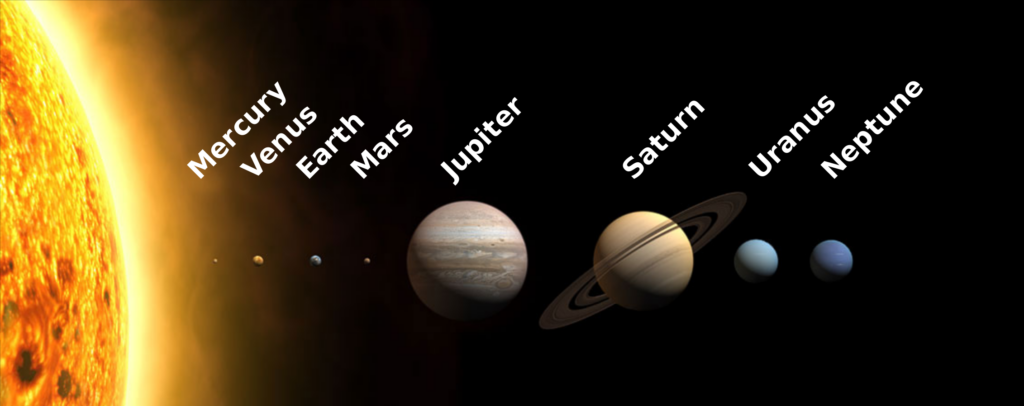
This file is licensed under the Creative Commons Attribution 4.0 International license.
Terrestrial planets are small, rocky planets that are similar in size and composition to the Earth. They include Mercury, Venus, Earth, and Mars. These planets have solid surfaces and relatively thin atmospheres, and are located closer to the Sun.
Mercury is the smallest and innermost planet in the Solar System. It has a surface covered in craters due to its lack of an atmosphere to protect it from impacts, and a very thin atmosphere composed of mostly oxygen and sodium. Mercury has a very eccentric orbit, which causes its distance from the Sun to vary significantly. At its closest point to the Sun (perihelion), it is about 46 million kilometers away, while at its farthest point (aphelion), it is about 70 million kilometers away. Mercury has no moons or rings.

Venus is the second planet from the Sun and is the hottest planet in the Solar System due to its thick, carbon dioxide-rich atmosphere, which traps heat from the Sun. Venus has a surface covered in volcanoes and mountains, and has no moons or rings.

Earth is the third planet from the Sun and is the only known planet in the Solar System to support life. It has a diverse range of environments and habitats, including oceans, forests, deserts, and polar ice caps. Earth has one natural satellite, the Moon, which is about one-quarter the size of Earth and plays a significant role in the Earth's tides and seasons.

Mars is the fourth planet from the Sun and is known as the "Red Planet" due to its reddish appearance. Mars has a thin atmosphere and evidence of water on its surface in the past, including dry lake beds and river valleys. Mars has two small moons, Phobos and Deimos, and no rings.
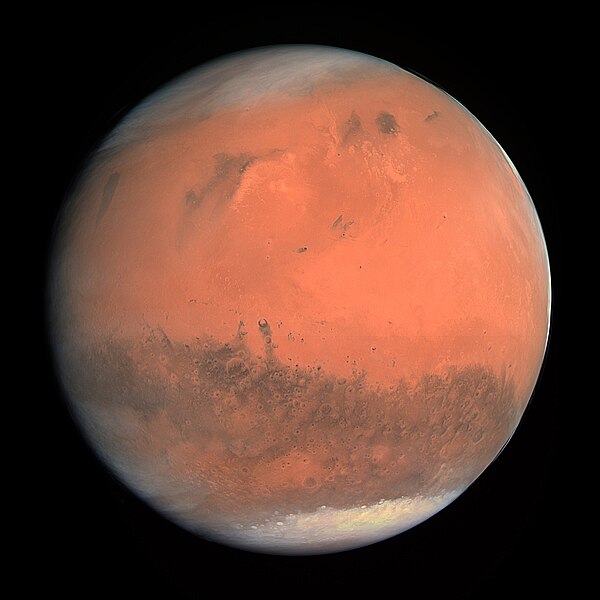
This file is licensed under the Creative Commons Attribution-ShareAlike 3.0 IGO license.
Gas giants are large, gaseous planets that are composed primarily of hydrogen and helium. They include Jupiter, Saturn, Uranus, and Neptune. These planets have much thicker atmospheres and no solid surfaces, and are located further from the Sun.
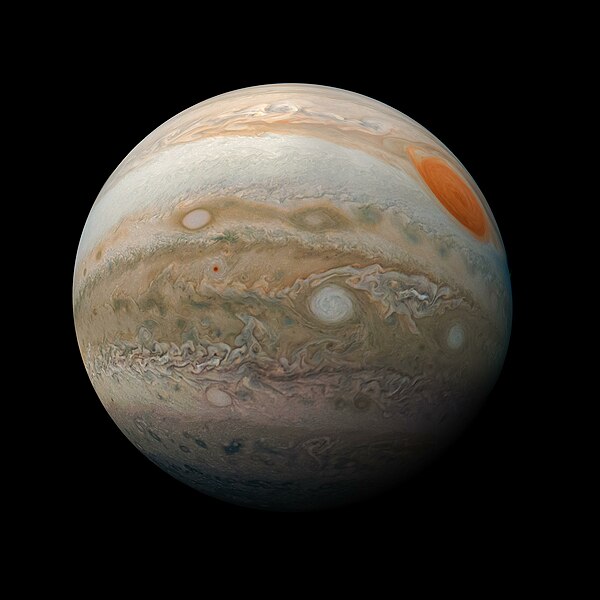
Jupiter is the largest planet in the Solar System and is known for its giant, swirling storm called the Great Red Spot. Jupiter has a system of rings and at least 79 moons, including the four largest moons (Io, Europa, Ganymede, and Callisto) known as the Galilean moons.
Saturn is the second-largest planet in the Solar System and is known for its stunning ring system, which is composed of small particles of ice and rock orbiting the planet. Saturn has at least 62 moons, including the largest moon in the Solar System, Titan, which has a thick atmosphere and evidence of liquid methane on its surface.

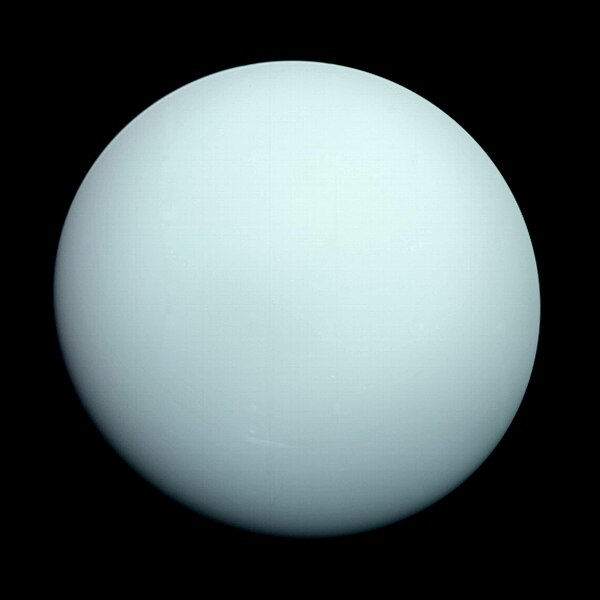
Uranus is the seventh planet from the Sun and is known for its unusual tilt, which causes its seasons to be much longer than those of the other planets. Uranus has a system of rings and at least 27 moons, including the large moon Miranda, which has a complex, fractured surface.
Neptune is the eighth and farthest planet from the Sun and is known for its blue appearance due to the presence of methane in its atmosphere. Neptune has a system of rings and at least 14 moons, including the large moon Triton, which has a frigid surface covered in ice.

Continue the lesson
This section is available to learners with course access. Continue learning with Knowness to unlock the full explanation, examples, revision tools, and progress tracking.
The remaining lesson content includes further guided explanation, important learning points, and supporting interactive material designed to help you understand and revise this topic.
Unlock this topic to view the full activity, worked examples, common mistakes, and additional revision support.
More content available
Knowness lessons are structured to build understanding step by step. Create an account or upgrade your access to continue from this point.
This preview does not include the hidden lesson text, answers, explanations, or embedded interactions.
Continue learning with Knowness
Sign up to access the full lesson, predicted grades, revision tools, progress tracking, and more.
Create a free account