

GCSE
Geography
-
Introduction to GCSE Geography (AQA) -
1.1 The Challenge of Natural Hazards -
1.1.1 Natural Hazards -
1.1.2 Tectonic Hazards -
1.1.3 Effects of and Responses to Tectonic Hazards -
1.1.4 Reducing the Effects of Tectonic Hazards -
1.1.5 Global Atmospheric Circulation -
1.1.6 Tropical Storms -
1.1.7 Effects of Tropical Storms -
1.1.8 Weather Hazards in the UK -
1.1.9 Extreme Weather Events in the UK -
1.1.10 Climate Change -
1.1.11 Managing Climate Change
-
-
1.2 The Living World -
1.2.1 Ecosystems -
1.2.2 Tropical Rainforests -
1.2.3 Deforestation -
1.2.4 Sustainable Management of Tropical Rainforests -
1.2.5 Hot Deserts -
1.2.6 Development of Hot Desert Environments -
1.2.7 Desertification -
1.2.8 Cold Environments -
1.2.9 Development of Cold Environments -
1.2.10 Economic Development in Cold Environments
-
-
1.3 Physical Landscapes in the UK -
1.3.1 UK Physical Landscapes -
1.3.2 Coastal Landscapes -
1.3.3 Coastal Landforms -
1.3.4 Coastal Management -
1.3.5 River Landscapes -
1.3.6 Fluvial Landforms -
1.3.7 River Management -
1.3.8 Glacial Landscapes -
1.3.9 Formation of Glacial Landforms -
1.3.10 Economic Activities and Management Strategies in Glaciated Upland Areas
-
-
2.1 Urban Issues and Challenges -
2.2 The Changing Economic World -
2.3 The Challenge of Resource Management -
2.3.1 Food, Water and Energy -
2.3.2 Changing Demand and Provision of Resources in the UK -
2.3.3 Food: Food Resource Demand -
2.3.4 Food: Increasing Food Supply -
2.3.5 Water: Water Resource Demand -
2.3.6 Water: Increasing Water Supply -
2.3.7 Energy: Energy Resource Demand -
2.3.8 Energy: Increasing Energy Supply
-
-
3.1 Issue Evaluation -
3.2 Fieldwork -
4.1 Cartographic Skills -
4.2 Graphical Skills -
4.3 Numerical Skills -
4.4 Statistical Skills -
4.5 Use of Qualitative and Quantitative Data -
4.6 Formulate Enquiry and Argument -
4.7 Literacy
1. Living with the Physical Environment
1.1.1 Natural Hazards
Natural hazards are a focus in Geography because of the impacts they can cause; loss of life, economic loss, and environmental impact. It’s important to know that natural hazards are natural processes that have occurred in some form for billions of years, but because of humans, they pose major risks.
Types of Natural Hazards
A natural hazard is an event typically driven by natural forces, such as geological processes, weather patterns, or other physical phenomena. Different types of natural hazards include:
- Geomorphological Hazards
- Meteorological Hazards
- Hydrological Hazards
- Biological Hazards
Students often mix up natural disasters and natural hazards. Natural hazards refer to a natural event that has the potential to cause harm, whereas natural disasters are natural hazards that actually cause significant harm.Common Mistake
There are also tectonic hazards, which we will cover in the next lesson, 1.1.2 Tectonic Hazards.
Geomorphological Hazards
Geomorphological (or geological) hazards are caused by land and tectonic processes. This includes earthquakes, volcanic eruptions, and tsunamis.
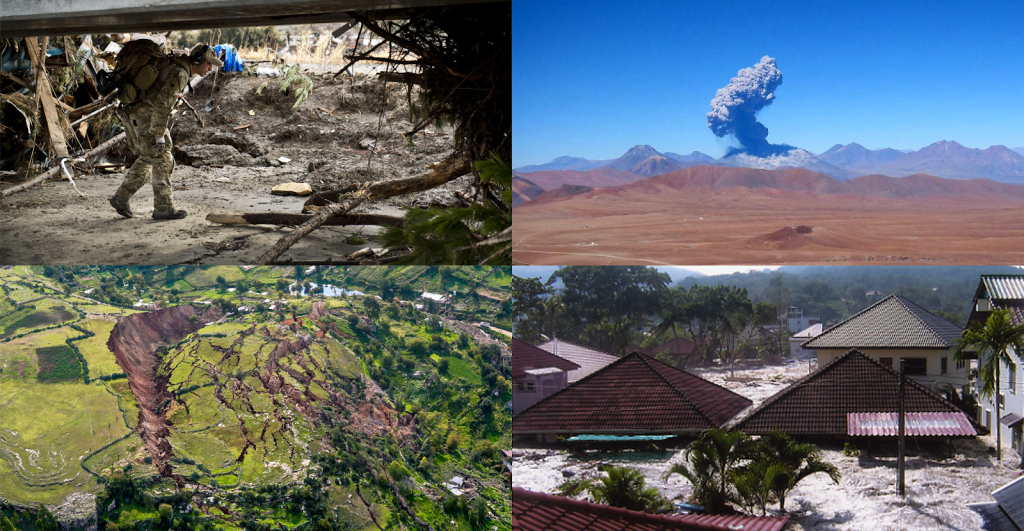
| Hazard | Description |
|---|---|
| Earthquakes | Earthquakes are characterised by a sudden release of energy in the Earth’s crust. |
| Volcanic Eruptions | Volcanic eruptions are caused by the movement of molten rock, or magma, from deep within the Earth towards the surface. |
| Landslides | Landslides involve the downward movement of soil, rocks, or debris along a slope. These events can vary in scale from small, localised movements to catastrophic avalanches of materials. |
| Tsunamis | Tsunamis are large ocean waves which are triggered by underwater earthquakes, volcanic eruptions, or landslides, leading to coastal devastation. |
Meteorological Hazards
Meteorological (or atmospheric) hazards are caused by the weather and climate, these include tropical storms, tornadoes, and droughts.
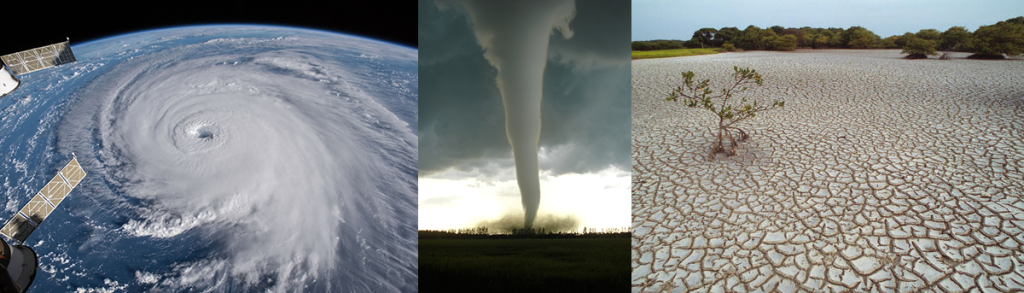
| Hazard | Description |
|---|---|
| Tropical Storms | Tropical storms are among the most powerful and devastating natural phenomena on Earth. They are known by different names depending on the region they occur in, these all refer to large storms including rapid circular wind spirals. |
| Tornadoes | Tornadoes are intense and rapidly rotating columns of air. Tornadoes form within thunderstorms, capable of causing widespread destruction. |
| Droughts | Droughts are characterised by extended periods of significantly reduced precipitation, leading to water scarcity, crop failure, and ecological impacts. |
Students often mix up tropical storms, and tornadoes, and so it is important to know the difference. Tropical storms form over tropical ocean water whereas tornadoes develop from thunderstorms over land.Common Mistake
Hydrological Hazards
Hydrological hazards are water-related hazards, this can be caused by excessive precipitation or issues with water storage.
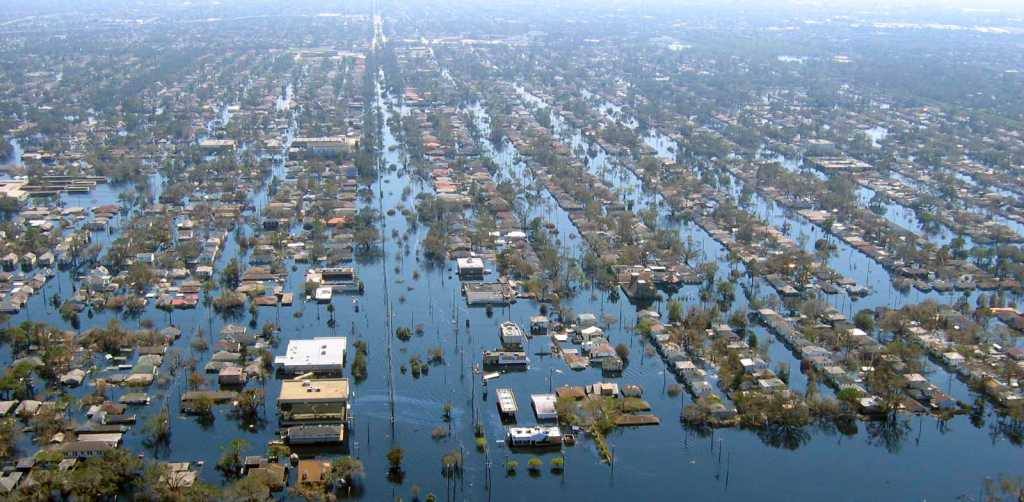
| Hazard | Description |
|---|---|
| Floods | Floods are the result of excessive accumulation of water in an area, usually caused by heavy rainfall, melting snow, or dam failures, resulting in property damage and loss of life. |
Biological Hazards
Biological hazards are caused by living organisms that pose a threat to human health. Biological hazards commonly form in bacteria, viruses, fungi, parasites, and toxins, all which can cause a wide range of illnesses.
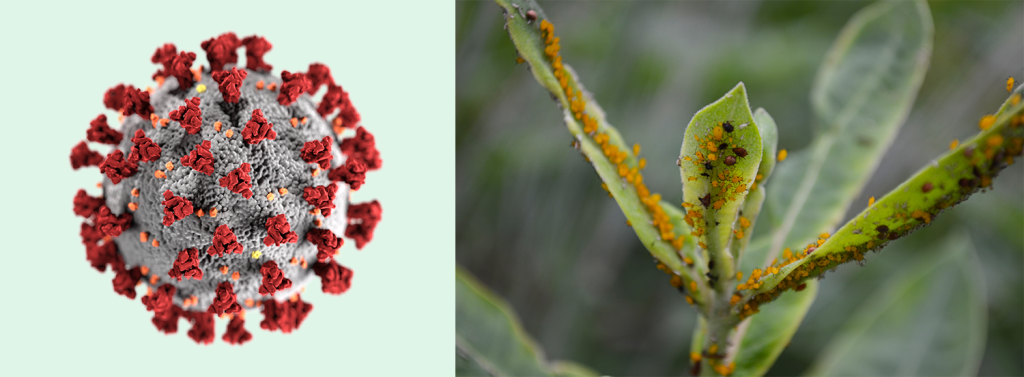
| Hazard | Description |
|---|---|
| Epidemics and Pandemics | Rapid spread of infectious diseases, impacting human health, healthcare systems, and socio-economic stability. |
| Insect Infestations | Population explosions of insects, such as locusts, leading to crop damage and food security issues. |
COVID-19 is an example of a pandemic, whereas Ebola, Polio, and Measles are examples of epidemics.Example
Factors Affecting Hazard Risk
The risks associated with natural hazards are influenced by various factors, including:
- Vulnerability: The susceptibility of individuals, communities, or infrastructure to the impacts of a hazard due to their physical, economic, or social characteristics. Factors such as poverty, inadequate infrastructure, and limited access to resources can limit a place’s capacity to cope with a hazard and can increase vulnerability.
- Exposure: The degree to which people and property are located in hazard-prone areas. High population density in hazard-prone regions and urbanisation in vulnerable zones can increase exposure and potential losses.
- Hazard Intensity and Frequency: The severity and recurrence rate of natural hazards in a particular area. Some regions are more prone to certain hazards due to their geographic location and geological characteristics.
- Location: Some places are at more risk of natural hazards because of where they are located.
- Climate Change: Alterations in global climate patterns, resulting in more frequent and intense natural hazards. Climate change can exacerbate existing hazards, introduce new ones, and influence their geographical distribution.
Types of Natural Hazards
- A natural hazard is an event caused by natural forces such as geological processes, weather patterns, or other physical phenomena.
- Types of natural hazards include geomorphological, meteorological, hydrological, biological, and tectonic hazards.
Geomorphological Hazards
- Caused by land and tectonic processes, including earthquakes, volcanic eruptions, landslides, and tsunamis.
- Earthquakes: Sudden release of energy in the Earth's crust.
- Volcanic Eruptions: Caused by the movement of magma from within the Earth towards the surface.
- Landslides: Downward movement of soil, rocks, or debris along a slope, ranging from small movements to large avalanches.
- Tsunamis: Large ocean waves triggered by underwater earthquakes, volcanic eruptions, or landslides, causing coastal devastation.
Meteorological Hazards
- Caused by weather and climate processes, including tropical storms, tornadoes, and droughts.
- Tropical Storms: Large, powerful circular storms known by different names in different regions.
- Tornadoes: Rapidly rotating columns of air forming within thunderstorms, capable of causing widespread destruction.
- Droughts: Long periods of significantly reduced rainfall, causing water scarcity, crop failure, and ecological impacts.
Hydrological Hazards
- Water-related hazards caused by excessive precipitation or issues with water storage.
- Floods: Occur due to excessive accumulation of water, often from heavy rainfall, melting snow, or dam failures.
Biological Hazards
- Caused by living organisms that threaten human health, including bacteria, viruses, fungi, parasites, and toxins.
- Epidemics and Pandemics: Rapid spread of infectious diseases affecting health, healthcare systems, and economies.
- Insect Infestations: Population explosions of insects, such as locusts, leading to crop damage and food insecurity.
Factors Affecting Hazard Risk
- Vulnerability: The degree to which individuals or communities are susceptible to hazard impacts due to social, economic, or physical factors.
- Exposure: The extent to which people or property are located in hazard-prone areas, increasing potential losses.
- Hazard Intensity and Frequency: Severity and recurrence rate of hazards influenced by geographic and geological factors.
- Location: Certain places are more prone to hazards due to their position on Earth.
- Climate Change: Increases the frequency, intensity, and distribution of natural hazards globally.